

- Мобильные телефоны:
- 1388xx888xx
- Телефон:
- 1388xx888xx
- Почтовый ящик:
- 1388xx888xx@gmail.com
- Адрес:
- No. 8, Jingbei Road, Zhongxin Town, Guangzhou, Guangdong, China
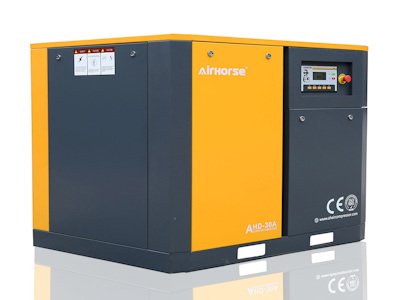
В современной промышленности высоконапорные компрессоры играют ключевую роль в обеспечении эффективности и надежности производственных процессов. От нефтегазовой отрасли до металлургии и химической промышленности, эти устройства являются незаменимыми для создания высокого давления воздуха или газа, необходимого для различных операций. Однако выбор подходящего высоконапорного компрессора – это сложная задача, требующая глубокого понимания технических характеристик, эксплуатационных требований и экономических факторов. В этой статье мы подробно разберем все аспекты выбора высоконапорного компрессора, чтобы помочь вам сделать informed decision и最大化 ROI.
1. Введение в высоконапорные компрессоры
Высоконапорные компрессоры – это устройства, способные создавать давление значительно выше атмосферного, typically ranging from 10 to over 1000 bar, depending on the application. Они используются в ситуациях, где standard compressors не могут обеспечить необходимый уровень pressure, such as in high-pressure testing, gas injection, or specialized manufacturing processes. The importance of these compressors in industrial settings cannot be overstated; they are critical for safety, efficiency, and compliance with industry standards.
Historically, the development of high-pressure compressors has evolved from simple piston-based designs to advanced rotary and centrifugal types, incorporating innovations in materials, sealing technologies, and control systems. Today, they are integral to sectors like oil and gas (for well stimulation and enhanced oil recovery), aerospace (for testing and propulsion systems), and energy (for hydrogen compression and storage). Understanding their fundamental principles is the first step toward making a wise selection.
2. Основные типы высоконапорных компрессоров
2.1 Поршневые компрессоры
Поршневые компрессоры are among the most common types for high-pressure applications. Они работают по принципу reciprocating motion, где piston moves within a cylinder to compress the gas. These compressors are highly efficient at achieving very high pressures (up to 1000 bar or more) and are suitable for a wide range of gases, including air, nitrogen, and hydrogen. However, they can be noisy, require regular maintenance due to moving parts, and may have limitations in flow rate compared to other types.
Advantages include high pressure capability, versatility in gas handling, and relatively lower initial cost for small to medium capacities. Disadvantages involve vibration, noise, and the need for robust foundations and cooling systems. They are ideal for applications like gas bottling, pressure testing, and small-scale industrial processes.
2.2 Винтовые компрессоры
Винтовые компрессоры use two intermeshing rotors to compress gas, providing a continuous flow with lower pulsation compared to piston types. Они are capable of achieving pressures up to 40-50 bar in standard configurations, but specialized high-pressure models can reach up to 100 bar or more. These compressors are known for their reliability, smooth operation, and lower maintenance requirements, making them popular in industries like manufacturing and food processing.
Key benefits include energy efficiency, compact design, and suitability for continuous operation. Drawbacks might include higher initial cost and limitations in ultra-high pressure applications. They are often used in pneumatic systems, process industries, and where oil-free air is required.
2.3 Центробежные компрессоры
Центробежные компрессоры utilize a rotating impeller to impart velocity to the gas, which is then converted to pressure in a diffuser. Они are excellent for high-flow, high-pressure applications, typically in the range of 10-100 bar, with some models capable of higher pressures. These compressors are widely used in large-scale industrial plants, such as refineries, petrochemical facilities, and power generation, due to their ability to handle large volumes efficiently.
Advantages include high flow rates, minimal pulsation, and suitability for clean gases. Disadvantages involve sensitivity to gas composition and higher complexity in control systems. They are ideal for applications requiring constant high flow, like gas transmission and processing.
2.4 Другие типы: диафрагменные и струйные компрессоры
Для specialized applications, other types like diaphragm compressors and jet compressors are used. Диафрагменные компрессоры use a flexible diaphragm to compress gas, offering oil-free operation and high purity, suitable for medical or semiconductor industries. Струйные компрессоры use high-velocity fluid jets to entrain and compress gas, often used in vacuum systems or low-flow scenarios. These are less common but critical in niche markets.
3. Ключевые параметры при выборе компрессора
3.1 Давление и производительность
Pressure (давление) and capacity (производительность) are the primary factors in compressor selection. Определите maximum operating pressure required for your application, and ensure the compressor can handle it with a safety margin. Производительность, measured in cubic meters per hour (m³/h) or similar units, should match the demand of your process. Under-sizing can lead to inefficiencies, while over-sizing increases costs and energy consumption. Use performance curves provided by manufacturers to match compressor output to your needs.
3.2 Тип газа и его свойства
The type of gas being compressed significantly impacts compressor choice. Different gases have varying properties like density, compressibility, and corrosiveness. For example, compressing hydrogen requires materials resistant to hydrogen embrittlement, while corrosive gases need special coatings or alloys. Always consider gas purity requirements; oil-free compressors are essential for applications in food, pharmaceuticals, or electronics to avoid contamination.
3.3 Энергоэффективность и эксплуатационные расходы
Energy consumption is a major cost driver in compressor operation. Look for compressors with high energy efficiency ratings, such as those compliant with ISO 50001 or similar standards. Evaluate the total cost of ownership, including electricity, maintenance, and potential downtime. Technologies like variable speed drives (VSD) can optimize energy use by adjusting output to demand, reducing costs by up to 30% in some cases.
3.4 Надежность и обслуживание
Reliability is crucial to avoid production losses. Choose compressors from reputable manufacturers with proven track records. Consider maintenance requirements: some types need frequent oil changes or part replacements, while others are designed for long intervals. Availability of spare parts and local service support can minimize downtime. Implement predictive maintenance using IoT sensors to monitor condition and schedule repairs proactively.
3.5 Безопасность и соответствие стандартам
Safety must be a top priority, especially with high-pressure equipment. Ensure the compressor meets relevant safety standards, such as ASME, PED, or ATEX for explosive atmospheres. Features like pressure relief valves, emergency shutdown systems, and robust construction are essential. Conduct risk assessments and provide proper training for operators to handle high-pressure scenarios safely.
4. Применение в различных отраслях промышленности
4.1 Нефтегазовая промышленность
In the oil and gas sector, high-pressure compressors are used for gas injection, well stimulation, and pipeline boosting. Они must handle harsh conditions, including high pressures and corrosive gases. Reliability and redundancy are critical to prevent costly shutdowns. Case studies show that selecting the right compressor can enhance recovery rates and reduce operational risks.
4.2 Химическая и нефтехимическая промышленность
Chemical plants use compressors for processes like polymerization, refrigeration, and gas separation. Requirements include handling aggressive chemicals and maintaining purity. Centrifugal compressors are often preferred for their ability to manage large flows with minimal contamination.
4.3 Металлургия и manufacturing
In metallurgy, compressors support operations like pneumatic conveying, combustion air supply, and pressure testing. High durability and efficiency are key, as these environments can be dusty and demanding. Rotary screw compressors are popular for their robustness and continuous operation capabilities.
4.4 Энергетика и водородная экономика
With the rise of hydrogen energy, compressors for hydrogen storage and transportation are gaining importance. They must address challenges like high diffusivity and embrittlement. Innovations in compressor design are enabling safer and more efficient hydrogen handling, supporting the transition to clean energy.
5. Советы по выбору и внедрению
Start by conducting a thorough needs analysis: define your pressure and flow requirements, gas type, and operational environment. Consult with multiple suppliers to compare offerings and request performance data. Consider future scalability; choose a compressor that can adapt to increasing demands. Plan for installation: ensure proper foundation, ventilation, and integration with existing systems. Training for operators is vital to maximize efficiency and safety.
6. Будущие тренды и инновации
The future of high-pressure compressors lies in digitalization and sustainability. Smart compressors with IoT connectivity enable real-time monitoring and predictive maintenance, reducing downtime. Advances in materials science are leading to lighter, more durable components. Energy-efficient designs and the use of alternative fuels are aligning with global sustainability goals. Keep an eye on emerging technologies like magnetic bearing compressors and hybrid systems for enhanced performance.
7. Заключение
Выбор высоконапорного компрессора – это комплексное решение, влияющее на эффективность, безопасность и profitability вашего предприятия. Учитывайте все рассмотренные аспекты: тип компрессора, технические параметры, отраслевые требования и инновации. Инвестируйте время в research и консультации с экспертами, чтобы обеспечить optimal выбор. With the right compressor, you can achieve reliable operation, cost savings, and a competitive edge in your industry.
Для дальнейшей информации, обратитесь к профессиональным поставщикам и участвуйте в отраслевых выставках, чтобы быть в курсе последних developments. Remember, a well-chosen compressor is not just equipment; it's a strategic asset for industrial success.