

- Мобильные телефоны:
- 1388xx888xx
- Телефон:
- 1388xx888xx
- Почтовый ящик:
- 1388xx888xx@gmail.com
- Адрес:
- No. 8, Jingbei Road, Zhongxin Town, Guangzhou, Guangdong, China
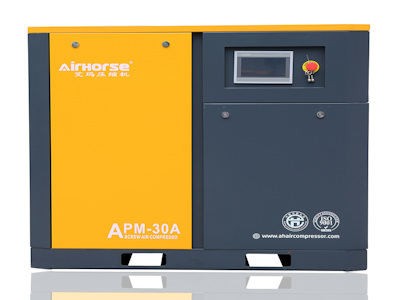
Что, если я скажу вам, что простой фиксированный воздушный компрессор способен перевернуть всю промышленность? Звучит как преувеличение, не так ли? Но давайте зададимся вопросом: как эта, казалось бы, обычная машина стала символом энергосберегающей революции? В мире, где энергоэффективность и устойчивое развитие выходят на первый план, фиксированные воздушные компрессоры занимают центральное место. Почему именно они? Что делает их такими особенными? И как они помогают предприятиям экономить энергию, снижать затраты и защищать окружающую среду? В этой статье мы погрузимся в глубины этой темы, исследуя ключевые аспекты через призму вопросов, которые волнуют инженеров, менеджеров и экологов по всему миру.
Что такое фиксированный воздушный компрессор и почему он важен?
Прежде всего, давайте определим, что мы имеем в виду под фиксированным воздушным компрессором. Это устройство, которое сжимает воздух для использования в различных промышленных процессах, таких как пневматические инструменты, системы управления или охлаждения. В отличие от портативных моделей, фиксированные компрессоры устанавливаются стационарно на предприятиях, обеспечивая постоянную и надежную подачу сжатого воздуха. Но почему они так crucial для энергосбережения? Вопрос в том, как их конструкция и работа способствуют экономии энергии. Например, современные фиксированные компрессоры оснащены advanced технологиями, like frequency converters, которые регулируют скорость вращения в зависимости от потребности, значительно снижая энергопотребление. Isn't it amazing how a simple adjustment can lead to massive savings? Consider this: industrial air compression accounts for up to 10% of global electricity consumption. By optimizing these systems, we can cut that figure dramatically. But how exactly do fixed compressors achieve this? Let's delve deeper.
Как фиксированные воздушные компрессоры способствуют энергосбережению?
Energy efficiency is at the heart of the fixed air compressor revolution. But what mechanisms make them so effective? One key aspect is their ability to minimize energy waste through precise control systems. For instance, variable speed drives (VSDs) allow compressors to adjust their output in real-time, avoiding the energy-intensive start-stop cycles common in older models. This leads to a question: how much energy can actually be saved? Studies show that VSD-equipped fixed compressors can reduce energy consumption by 20-30% compared to fixed-speed counterparts. That's a significant amount, especially for large-scale industries. Additionally, improved heat recovery systems capture waste heat from compression processes, which can be reused for heating buildings or other industrial applications. Isn't it fascinating how one machine can multitask in such a sustainable way? But wait, there's more: the integration of IoT and smart sensors enables predictive maintenance, preventing downtime and further optimizing energy use. So, are fixed air compressors truly the unsung heroes of industrial energy savings? The evidence suggests yes, but let's explore the broader implications.
Какие технологические инновации驱动这场革命?
The revolution in energy-saving industrial practices is largely driven by technological advancements in fixed air compressors. But what are these innovations, and how do they work? First, let's talk about digitalization. Smart compressors equipped with IoT connectivity can monitor performance metrics in real-time, sending data to cloud platforms for analysis. This allows for proactive adjustments and energy optimization. For example, algorithms can predict peak demand times and adjust compressor operation accordingly, reducing energy spikes. Another innovation is the use of oil-free compression technology, which not only improves air quality but also reduces maintenance needs and energy loss associated with oil separation. Question: how do these technologies integrate with existing industrial systems? Many modern fixed compressors are designed for seamless integration with building management systems (BMS) and energy management software, creating a holistic approach to energy conservation. Moreover, advancements in materials science have led to more efficient compressors with lower friction and higher durability. Isn't it incredible how engineering feats like these are reshaping industries? But as we marvel at these developments, we must ask: what challenges remain, and how can they be overcome?
Каковы экологические преимущества использования фиксированных воздушных компрессоров?
Beyond energy savings, fixed air compressors offer significant environmental benefits. But how do they contribute to a greener planet? By reducing energy consumption, they directly lower greenhouse gas emissions associated with electricity generation. For instance, if a factory cuts its compressor energy use by 25%, it could avoid emitting tons of CO2 annually. Additionally, the heat recovery systems mentioned earlier turn waste into a resource, further diminishing the environmental footprint. Question: what about the lifecycle impact of these compressors? Modern designs focus on recyclability and reduced material usage, making them more sustainable from production to disposal. Furthermore, oil-free models eliminate the risk of oil contamination in compressed air, which is crucial for applications in food processing or pharmaceuticals where purity is paramount. So, are fixed air compressors a key tool in the fight against climate change? Absolutely, but their full potential depends on widespread adoption and continuous innovation. Let's consider the economic aspects next.
Как фиксированные воздушные компрессоры влияют на экономику предприятий?
Energy savings translate directly into cost savings, but how do fixed air compressors impact the bottom line of businesses? The initial investment in advanced fixed compressors might be higher than traditional models, but the long-term payoffs are substantial. For example, reduced energy bills can lead to a return on investment (ROI) within a few years. Question: what is the typical ROI for such upgrades? Industry data indicates that energy-efficient compressors can pay for themselves in 2-5 years through energy savings alone. Additionally, lower maintenance costs and increased reliability mean less downtime and higher productivity. This is especially important in industries where compressed air is critical, such as manufacturing or mining. But wait, there's a broader economic effect: by lowering operational costs, companies can become more competitive, potentially leading to job creation and economic growth. Isn't it powerful how a single technology can ripple through the economy? However, challenges like high upfront costs and the need for skilled personnel to manage these systems remain. How can businesses overcome these hurdles?
Какие вызовы и ограничения существуют для широкого внедрения?
Despite the benefits, the adoption of energy-saving fixed air compressors faces several challenges. What are these obstacles, and how can they be addressed? First, the high initial cost can deter small and medium-sized enterprises (SMEs) from investing in advanced compressors. Governments and financial institutions are responding with subsidies and financing options, but is that enough? Second, there's a knowledge gap; many operators are unfamiliar with the latest technologies and best practices. Training programs and awareness campaigns are essential to bridge this gap. Question: how can industries accelerate the transition? Collaboration between manufacturers, policymakers, and end-users is key. Additionally, technological standardization can reduce costs and improve interoperability. But let's not forget about retrofitting existing systems: upgrading old compressors with new components can be a cost-effective alternative to full replacement. So, while challenges exist, they are not insurmountable. What does the future hold for this revolution?
Каково будущее фиксированных воздушных компрессоров в промышленности?
The future of fixed air compressors in energy-saving industries looks promising, but what trends will shape it? One major direction is the integration with renewable energy sources. Imagine compressors powered by solar or wind energy, further reducing carbon footprints. Question: how feasible is this today? Already, some pilot projects are demonstrating success, but scalability remains a challenge. Another trend is the rise of AI and machine learning for even smarter energy management. Algorithms could optimize compressor operation based on weather forecasts, production schedules, and energy prices. Additionally, the push towards circular economy principles will drive designs that are easier to recycle and refurbish. But what about global adoption? As developing economies industrialize, the demand for efficient compressors will grow, offering opportunities for leapfrogging to advanced technologies. So, are we on the cusp of a full-blown revolution? The signs are positive, but continuous innovation and collaboration will be crucial. In conclusion, fixed air compressors are indeed revolutionizing industrial energy savings, but the journey is just beginning.
Заключение: Революция продолжается
In wrapping up, it's clear that fixed air compressors are more than just machines; they are catalysts for change in the industrial landscape. Through questions like those explored here, we've seen how they enhance energy efficiency, boost economies, and protect the environment. But the revolution is ongoing. As technology evolves and awareness spreads, these compressors will play an even greater role in shaping a sustainable future. So, what's next? Perhaps it's time for industries to ask themselves: are we ready to embrace this revolution fully? The answers lie in action and innovation. Thank you for joining this exploratory journey into the world of fixed air compressors and energy conservation.