

- Мобильные телефоны:
- 1388xx888xx
- Телефон:
- 1388xx888xx
- Почтовый ящик:
- 1388xx888xx@gmail.com
- Адрес:
- No. 8, Jingbei Road, Zhongxin Town, Guangzhou, Guangdong, China
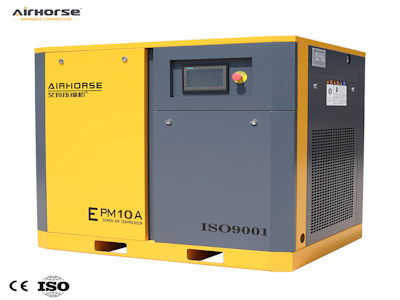
В современном мире, где энергетические ресурсы становятся все более ценными, а экологические нормы ужесточаются, поиск эффективных решений для промышленности становится приоритетом. Низконапорные компрессоры выходят на передний план как инновационная технология, способная кардинально изменить подход к использованию сжатого воздуха – одного из самых распространенных энергоносителей в производстве. Эта статья подробно исследует, почему низконапорные компрессоры являются не просто альтернативой традиционным системам, а настоящим ключом к значительной экономии энергии и снижению операционных затрат. Мы рассмотрим принципы их работы, преимущества, практические применения и будущие тенденции, предоставляя вам исчерпывающее руководство для принятия взвешенных решений в вашем бизнесе.
Что такое низконапорные компрессоры?
Низконапорные компрессоры – это специализированные устройства, предназначенные для создания сжатого воздуха при относительно низком давлении, обычно в диапазоне от 2 до 7 бар, в отличие от стандартных компрессоров, которые могут работать при давлениях до 10–15 бар и выше. Их конструкция оптимизирована для минимизации энергопотребления, так как они не тратят избыточную энергию на генерацию ненужно высокого давления. Это делает их идеальными для применений, где требуемое давление невелико, таких как пневматические инструменты, системы вентиляции или определенные технологические процессы. Принцип работы основан на эффективном сжатии воздуха с использованием advanced technologies like screw or scroll mechanisms, которые обеспечивают плавную и экономичную работу. Исторически компрессоры развивались от простых поршневых моделей к более сложным rotary screw designs, и low-pressure variants represent the latest evolution focused on sustainability. By reducing the pressure output, these compressors cut down on energy waste significantly – studies show that for every 1 bar reduction in pressure, energy consumption can decrease by up to 7%. This fundamental understanding sets the stage for their role in energy efficiency.
Преимущества низконапорных компрессоров
Основное преимущество низконапорных компрессоров заключается в их способности drastically reduce energy consumption. По сравнению с высоконапорными аналогами, они потребляют меньше электроэнергии, поскольку не создают избыточного давления, которое затем приходится сбрасывать или регулировать через редукционные клапаны, что ведет к потерям. Например, на заводе по производству автомобилей замена traditional compressors на low-pressure models может привести к экономии энергии на 20–30%, что напрямую снижает счета за электричество. Кроме того, эти компрессоры often have lower maintenance costs due to reduced mechanical stress on components,延长 срок службы оборудования. Они также contribute to a smaller carbon footprint, aligning with global sustainability goals such as those outlined in the Paris Agreement. In terms of operational flexibility, low-pressure compressors can be easily integrated into existing systems with smart controls, allowing for adaptive performance based on real-time demand. Case studies from industries like food processing demonstrate that companies have achieved ROI within 1–2 years after switching to low-pressure systems, thanks to cumulative savings. Noise levels are typically lower as well, improving workplace conditions and compliance with occupational safety standards. Overall, the benefits extend beyond mere cost savings to encompass environmental and social aspects, making them a holistic solution for modern enterprises.
Применение в различных отраслях
Низконапорные компрессоры находят широкое применение across multiple sectors due to their versatility and efficiency. В manufacturing industry, они используются для питания пневматических инструментов, систем автоматизации и конвейерных линий, где давление редко превышает 6 бар. Например, в текстильной промышленности, для продувки тканей или управления механизмами, low-pressure compressors ensure precise control without over expenditure. В food and beverage sector, они идеальны для упаковки, аэрации или очистки, поскольку обеспечивают чистый сжатый воздух без риска contamination от масла или других примесей – многие модели designed as oil-free to meet hygiene standards. В строительстве, они power light pneumatic tools like nail guns or sandblasters, reducing fuel costs compared to diesel alternatives. Additionally, in healthcare, for applications such as dental chairs or laboratory equipment, low-pressure compressors offer reliable and quiet operation. The agriculture industry benefits from them in irrigation systems or animal handling facilities. Even in emerging fields like renewable energy, these compressors are used in biogas plants or wind turbine maintenance. Each application highlights how tailoring pressure to actual needs avoids waste; for instance, a car factory might use high-pressure compressors for painting booths but switch to low-pressure for assembly lines, optimizing overall energy use. Real-world examples include a major European automotive manufacturer that cut energy costs by 25% after retrofitting their plant with low-pressure compressors, demonstrating cross-industry relevance.
Энергоэффективность и экологические аспекты
Энергоэффективность низконапорных компрессоров является их cornerstone feature. By operating at lower pressures, они minimize the "over-compression" effect common in traditional systems, where energy is wasted compressing air beyond what is needed. This directly translates to lower kWh consumption per unit of compressed air produced. According to data from the U.S. Department of Energy, compressed air systems account for up to 10% of industrial electricity use, and optimizing pressure can save billions globally. Low-pressure compressors often incorporate energy-efficient technologies such as variable speed drives (VSD), which adjust motor speed based on demand, further reducing idle losses. For example, a VSD-equipped low-pressure compressor can save an additional 15–20% energy compared to fixed-speed models. Environmental benefits are substantial: reduced energy use means lower greenhouse gas emissions, contributing to corporate social responsibility initiatives. Many countries offer incentives or tax breaks for adopting energy-efficient equipment, making the investment even more attractive. Moreover, these compressors support circular economy principles by having longer lifespans and being easier to recycle due to simpler designs. Lifecycle assessments show that over 10 years, a low-pressure compressor can avoid several tons of CO2 emissions compared to a standard model. In terms of regulations, compliance with standards like ISO 50001 for energy management is easier achieved with such systems. As climate change pressures mount, industries are increasingly turning to solutions like low-pressure compressors to meet sustainability targets without sacrificing performance.
Сравнение с традиционными компрессорами
При сравнении низконапорных компрессоров с традиционными высоконапорными моделями, несколько key differences emerge. Traditional compressors, often piston or screw types designed for higher pressures (8–15 бар), consume more energy because they must overcome greater resistance to compress air, leading to inefficiencies especially during partial load operation. In contrast, low-pressure compressors are optimized for specific pressure ranges, reducing energy input by up to 30% in applicable scenarios. For instance, a study by the Compressed Air and Gas Institute found that mismatched pressure settings waste an average of 20–30% of energy in industrial plants. Cost-wise, initial investment for low-pressure compressors might be similar or slightly higher due to specialized designs, but the long-term savings on electricity bills quickly offset this. Maintenance is another area of divergence: high-pressure systems experience more wear and tear on seals and valves, requiring frequent repairs, whereas low-pressure units have reduced mechanical stress, leading to lower downtime and spare parts costs. Noise levels are generally lower in low-pressure models, enhancing workplace safety and comfort. However, traditional compressors still have their place in applications requiring high pressure, such as in mining or heavy machinery. The choice depends on specific needs; a hybrid approach using both types in different parts of a facility can maximize efficiency. Case in point: a chemical plant integrated low-pressure compressors for general use while retaining high-pressure ones for critical processes, achieving overall energy reduction of 18%. This comparative analysis underscores that low-pressure compressors are not a one-size-fits-all but a strategic option for targeted efficiency gains.
Будущие тенденции и инновации
Будущее низконапорных компрессоров looks promising with ongoing innovations aimed at enhancing efficiency and integration. Technological advancements include the development of smart compressors equipped with IoT sensors and AI algorithms for predictive maintenance and real-time optimization. These systems can automatically adjust pressure based on usage patterns, further reducing energy waste. For example, future models might use machine learning to anticipate demand spikes and pre-adjust operations, saving an additional 5–10% energy. Materials science is also evolving, with lighter and more durable components that reduce energy loss due to friction. Another trend is the integration with renewable energy sources; solar-powered low-pressure compressors are already being tested in remote areas, offering off-grid solutions with zero emissions. In terms of market growth, the global low-pressure compressor market is projected to expand at a CAGR of 6% over the next decade, driven by increasing energy costs and environmental regulations. Innovations in noise reduction and compact designs will make them more suitable for urban or sensitive environments. Additionally, advancements in oil-free technology will broaden applications in pharmaceuticals and electronics where purity is critical. The push towards digital twins – virtual replicas of physical systems – will allow for better simulation and optimization before implementation. As industries embrace Industry 4.0, low-pressure compressors will become integral to smart factories, communicating with other equipment for seamless energy management. These trends indicate that the era of wasteful compressed air systems is ending, replaced by intelligent, efficient solutions that prioritize sustainability.
Практические советы по выбору и использованию
При выборе и использовании низконапорных компрессоров, several practical tips can ensure optimal performance and savings. First, conduct a thorough audit of your compressed air needs to determine the required pressure range; tools like flow meters and pressure gauges can help identify where low-pressure options are feasible. For instance, if most applications operate below 7 бар, investing in a dedicated low-pressure system is wise. Second, consider the type of compressor: rotary screw models are popular for continuous duty, while scroll compressors offer quiet operation for sensitive areas. Always opt for units with energy efficiency certifications, such as those meeting CAGI or ISO standards. Third, implement proper maintenance routines, including regular filter changes and leak checks, as even small leaks can waste up to 20% of energy. Using variable speed drives (VSD) is highly recommended to match output to demand dynamically. For installation, ensure adequate ventilation and placement away from heat sources to maintain efficiency. Training staff on efficient usage practices, such as turning off compressors during non-production hours, can add to savings. Additionally, explore government incentives or energy rebates available in your region for upgrading to efficient equipment. Real-world example: a small workshop reduced their energy bill by 40% after switching to a low-pressure compressor and fixing leaks, highlighting the importance of a holistic approach. Finally, monitor performance with energy management software to track savings and identify further improvements. By following these steps, businesses can maximize the benefits of low-pressure compressors and achieve long-term economic and environmental gains.
Заключение
В заключение, низконапорные компрессоры представляют собой transformative technology для промышленности, offering a direct path to enhanced energy efficiency and substantial cost savings. Их ability to operate at optimized pressures reduces unnecessary energy consumption, lowers maintenance costs, and supports environmental sustainability. Through various applications across sectors, from manufacturing to healthcare, они доказали свою эффективность в реальных условиях. Будущие инновации, такие как интеграция с IoT и renewable energy, promise even greater advances. Однако успех зависит от правильного выбора и использования: проводите тщательный анализ потребностей, инвестируйте в качественное оборудование и внедряйте умные практики управления. В мире, где ресурсы ограничены, а экологические проблемы обостряются, переход на низконапорные компрессоры – это не просто экономическое решение, а стратегический шаг towards a greener and more profitable future. Embrace this key to unlock lasting benefits for your business and the planet.
Предыдущий : ODM服务改变游戏规则选择我们开启无限可能
Следующий : Выбор высоконапорного компрессора для промышленного использования