

- Мобильные телефоны:
- 1388xx888xx
- Телефон:
- 1388xx888xx
- Почтовый ящик:
- 1388xx888xx@gmail.com
- Адрес:
- No. 8, Jingbei Road, Zhongxin Town, Guangzhou, Guangdong, China
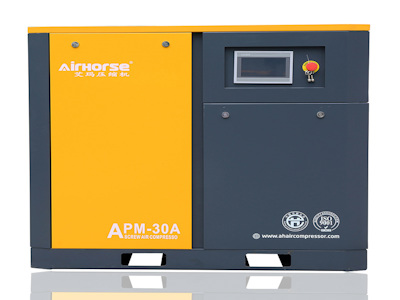
Промышленные компрессоры являются неотъемлемой частью современного производства, обеспечивая сжатый воздух для различных применений, от пневматических инструментов до автоматизированных систем. Выбор правильного компрессора критически важен для эффективности, надежности и экономичности производственных операций. В этой статье мы подробно рассмотрим ключевые аспекты выбора промышленного компрессора, включая типы компрессоров, их технические характеристики, энергоэффективность, стоимость владения и практические советы. Мы также проанализируем реальные кейсы из различных отраслей, чтобы помочь вам принять обоснованное решение.
Типы промышленных компрессоров
Промышленные компрессоры можно классифицировать по нескольким критериям, включая принцип работы, конструкцию и применение. Основные типы включают винтовые, поршневые, центробежные и scroll-компрессоры. Каждый тип имеет свои преимущества и недостатки, которые делают его подходящим для определенных производственных задач.
Винтовые компрессоры
Винтовые компрессоры, также известные как ротационные винтовые компрессоры, широко используются в промышленности благодаря своей надежности, эффективности и способности обеспечивать непрерывную подачу сжатого воздуха. Они работают на принципе вращения двух винтов (роторов), которые сжимают воздух между собой. Этот тип компрессоров идеален для применений, требующих постоянного и стабильного потока воздуха, таких как автоматизированные производственные линии, пищевая промышленность и фармацевтика.
Преимущества винтовых компрессоров включают высокую энергоэффективность, низкий уровень шума, минимальную вибрацию и долгий срок службы. Однако они обычно имеют более высокую начальную стоимость по сравнению с поршневыми компрессорами и требуют регулярного технического обслуживания, включая замену масла и фильтров. Для крупных производств с высоким потреблением воздуха винтовые компрессоры часто являются оптимальным выбором, так как они могут работать 24/7 без значительного износа.
Поршневые компрессоры
Поршневые компрессоры, или поршневые воздушные компрессоры, являются одним из старейших и наиболее распространенных типов компрессоров. Они работают на принципе возвратно-поступательного движения поршня в цилиндре, что сжимает воздух. Поршневые компрессоры доступны в различных конфигурациях, включая одноступенчатые и многоступенчатые модели, и подходят для применений с переменной нагрузкой или периодическим использованием, таких как небольшие мастерские, строительные площадки и ремонтные цеха.
Основные преимущества поршневых компрессоров – это относительно низкая начальная стоимость, простота конструкции и легкость в обслуживании. Однако они имеют недостатки, такие как более высокий уровень шума и вибрации, ограниченная производительность при непрерывной работе и более низкая энергоэффективность по сравнению с винтовыми компрессорами. Для производств с непостоянным спросом на сжатый воздух поршневые компрессоры могут быть экономичным решением, но для интенсивного использования лучше рассмотреть другие варианты.
Центробежные компрессоры
Центробежные компрессоры используют центробежную силу для сжатия воздуха через вращение импеллера (колеса с лопатками). Они typically применяются в крупных промышленных установках, требующих очень высоких расходов воздуха, таких как нефтегазовая промышленность, химические заводы и энергетика. Центробежные компрессоры способны производить большие объемы сжатого воздуха при относительно высоком давлении, но они менее гибки в terms of регулирования нагрузки.
Преимущества центробежных компрессоров включают высокую производительность, надежность в continuous operation, и низкие требования к обслуживанию благодаря отсутствию контакта between moving parts. Однако они имеют высокую initial cost, complex design, and are less suitable for applications with fluctuating demand. For large-scale productions with stable air consumption, centrifugal compressors can be a cost-effective choice in the long run due to their efficiency and durability.
Scroll-компрессоры
Scroll-компрессоры, или спиральные компрессоры, используют две спирали (одна fixed, одна orbiting) для сжатия воздуха. Они are often used in applications requiring clean, oil-free air, such as medical, pharmaceutical, and food processing industries. Scroll compressors are compact, quiet, and efficient, but they have limited capacity and are generally suitable for low to medium pressure applications.
Advantages of scroll compressors include minimal maintenance, high reliability, and excellent air quality. Disadvantages include higher cost per unit of air output and limited scalability for large productions. For niche applications where air purity is critical, scroll compressors are an excellent choice, but for general industrial use, other types may be more appropriate.
Технические параметры выбора компрессора
При выборе промышленного компрессора необходимо учитывать несколько ключевых технических параметров, таких как производительность (расход воздуха), давление, мощность, тип привода и дополнительные функции. Эти параметры напрямую влияют на эффективность компрессора в вашем производственном процессе.
Производительность (Расход воздуха)
Производительность компрессора измеряется в кубических метрах в минуту (м³/мин) или литрах в секунду (л/с) и indicates how much air the compressor can deliver. It is crucial to match the compressor's capacity to your production's air demand. Under-sizing can lead to insufficient air supply, causing downtime and reduced efficiency, while over-sizing results in wasted energy and higher costs.
To determine the required capacity, calculate the total air consumption of all pneumatic devices in your facility, considering peak demand and future expansion. For example, if your production uses tools requiring 10 м³/мин at peak times, choose a compressor with a capacity slightly above that to ensure reliability. Modern compressors often feature variable speed drives (VSD) that adjust output based on demand, improving energy efficiency for fluctuating loads.
Давление
Давление сжатого воздуха измеряется в барах (bar) или паскалях (Pa) and must be sufficient to operate your equipment effectively. Most industrial applications require pressure between 7 and 10 bar, but specific needs vary. For instance, high-pressure applications like sandblasting may need up to 15 bar, while low-pressure uses like air agitation might require only 2-3 bar.
Select a compressor that can deliver the required pressure consistently. Remember that pressure drops occur in pipelines due to friction, so factor in additional pressure to compensate for losses. Using pressure regulators and ensuring proper pipe sizing can help maintain optimal pressure levels throughout your system.
Мощность и энергоэффективность
Мощность компрессора, measured in kilowatts (kW), affects energy consumption and operating costs. Energy-efficient compressors reduce electricity bills and environmental impact. Look for compressors with high efficiency ratings, such as those certified by standards like ISO 1217 for air compressors.
Consider the specific power consumption, which is the energy required per unit of air delivered (e.g., kW/(m³/min)). Lower values indicate better efficiency. Technologies like VSD, heat recovery, and advanced control systems can significantly improve efficiency. For example, a VSD compressor adjusts motor speed to match demand, saving energy during low-load periods compared to fixed-speed models.
Тип привода и источник питания
Компрессоры can be powered by electric motors, diesel engines, or other sources. Electric compressors are common in indoor settings due to their cleanliness and quiet operation, while diesel-powered models are suitable for remote or mobile applications where electricity is unavailable.
Ensure the power source matches your facility's infrastructure. For electric compressors, check voltage requirements (e.g., 380V for industrial use) and availability of three-phase power if needed. Also, consider the installation space and ventilation requirements to prevent overheating and ensure safety.
Дополнительные функции
Modern compressors come with various features that enhance performance and usability. These include air dryers and filters to remove moisture and contaminants, automatic controls for easy operation, remote monitoring capabilities, and noise reduction systems.
For industries requiring high air quality, such as food and pharmaceuticals, investing in oil-free compressors or additional filtration is essential. Evaluate these features based on your specific needs to avoid unnecessary costs while ensuring reliability and compliance with industry standards.
Сравнение типов компрессоров для различных производств
To help you choose the right compressor, let's compare the main types based on common production scenarios. This comparison considers factors like cost, efficiency, maintenance, and suitability for specific applications.
Для небольших производств и мастерских
Small workshops or light industrial facilities often have intermittent air demand. Portative portevye kompressory are a cost-effective choice here due to their low initial investment and simplicity. For example, a small automotive repair shop might use a piston compressor for tasks like inflating tires or powering impact wrenches, with a capacity of 5-10 м³/мин at 8 bar.
However, if the shop expands or demand increases, a screw compressor with VSD could be better for energy savings. Overall, for low to medium usage, piston compressors offer good value, but consider future needs to avoid frequent upgrades.
Для средних и крупных производств
Medium to large productions, such as manufacturing plants, require continuous and reliable air supply. Vintovye kompressory are ideal here because of their efficiency and ability to handle high loads. For instance, a textile factory using air jets for weaving might need a screw compressor with a capacity of 20-50 м³/мин at 7 bar, coupled with air dryers to prevent moisture issues.
Centrifugal compressors might be considered for very large facilities, but they are less common due to higher complexity. In such cases, investing in a energy-efficient screw compressor with proper maintenance can reduce long-term costs and minimize downtime.
Для специфических отраслей
Certain industries have unique requirements. For example, in the food and beverage industry, oil-free compressors are mandatory to avoid contamination. Scroll or oil-free screw compressors are preferred here, ensuring compliance with hygiene standards like ISO 22000.
In the mining or construction sector, where mobility and robustness are key, diesel-powered piston or screw compressors are common. These can be trailer-mounted for easy transport to remote sites, providing air for drilling and other tasks.
By matching the compressor type to your industry's specific needs, you can optimize performance and avoid potential issues related to air quality, reliability, or regulatory compliance.
Энергоэффективность и экологические аспекты
Energy consumption is a major cost factor in compressor operation, accounting for up to 80% of the total cost of ownership. Therefore, choosing an energy-efficient compressor not only saves money but also reduces environmental impact.
Способы повышения энергоэффективности
Several strategies can improve compressor efficiency. Variable Speed Drive (VSD) technology allows the compressor to adjust its speed based on demand, reducing energy use during low-load periods. For example, a VSD screw compressor can save 20-30% energy compared to a fixed-speed model in applications with fluctuating demand.
Heat recovery systems capture waste heat from the compression process and use it for space heating or water heating, further enhancing efficiency. Regular maintenance, such as cleaning filters and checking for leaks, also ensures optimal performance and prevents energy waste.
Экологические соображения
Modern compressors are designed to meet environmental regulations, such as reducing greenhouse gas emissions and noise pollution. Look for compressors with low noise levels (e.g., below 70 dB) for better working conditions and compliance with local norms.
Additionally, consider the lifecycle impact, including disposal and recycling of components. Choosing compressors from manufacturers committed to sustainability can contribute to your corporate social responsibility goals.
Стоимость владения и экономическое обоснование
The total cost of ownership (TCO) for a compressor includes not only the purchase price but also installation, energy, maintenance, and potential downtime costs. A thorough economic analysis helps in making a cost-effective choice.
Initial Investment
Piston compressors have the lowest initial cost, typically ranging from 50,000 to 200,000 rubles for small models, while screw compressors can cost from 200,000 to over 1 million rubles depending on size and features. Centrifugal compressors are even more expensive, often exceeding 2 million rubles.
However, initial cost should not be the sole deciding factor. For example, a higher-priced screw compressor with VSD might have a lower TCO due to energy savings over time compared to a cheap piston compressor that consumes more power.
Operating Costs
Energy costs dominate operating expenses. Calculate the annual energy consumption based on the compressor's power rating and usage hours. For instance, a 30 kW compressor running 8 hours a day at an electricity rate of 5 rubles/kWh would cost approximately 438,000 rubles per year (30 kW * 8 hours * 365 days * 5 rubles/kWh).
Maintenance costs include regular servicing, parts replacement, and repairs. Screw compressors generally have higher maintenance costs than piston compressors but offer better reliability. Budget for annual maintenance, which can be 5-10% of the initial cost.
Return on Investment (ROI)
To justify a higher initial investment, calculate the ROI by comparing energy savings and reduced downtime. For example, if a VSD compressor saves 100,000 rubles per year in energy costs and costs 300,000 rubles more than a standard model, the payback period is 3 years. After that, it generates net savings.
Consider intangible benefits like improved productivity and compliance, which can also contribute to ROI. Use tools like life cycle cost analysis (LCCA) to make an informed decision.
Обслуживание и надежность
Regular maintenance is essential for compressor longevity and reliability. Neglecting maintenance can lead to breakdowns, increased energy consumption, and costly repairs.
Рекомендуемые процедуры обслуживания
For piston compressors, maintenance includes checking oil levels, cleaning air filters, and inspecting valves every 500-1000 operating hours. Screw compressors require oil changes, filter replacements, and belt adjustments at similar intervals, typically every 2000-4000 hours.
Centrifugal compressors have longer maintenance intervals but may need specialized technicians. Implement a preventive maintenance schedule based on the manufacturer's recommendations to avoid unexpected failures.
Надежность и срок службы
Screw compressors are known for their reliability and can last 10-15 years with proper care, while piston compressors might have a shorter lifespan of 5-10 years due to higher wear. Centrifugal compressors can operate for over 20 years in well-maintained conditions.
Choose a compressor from a reputable brand with good warranty and support services. Availability of spare parts and local service technicians can reduce downtime in case of issues.
Реальные примеры и кейсы
To illustrate the selection process, let's look at real-world examples from different industries.
Пример 1: Автомобильный завод
A large automotive manufacturing plant requires compressed air for painting, assembly, and testing. They opted for multiple screw compressors with VSD, totaling 100 м³/мин capacity at 10 bar. The VSD technology adapts to varying demand shifts, saving 25% on energy costs compared to fixed-speed compressors. Regular maintenance and air treatment ensure high quality and reliability, supporting continuous production.
Пример 2: Пищевая фабрика
A food processing facility needs oil-free air to meet hygiene standards. They chose oil-free scroll compressors with additional filtration, providing 15 м³/мин at 8 bar. Although the initial cost was higher, it prevented contamination risks and complied with regulations, avoiding potential fines and product recalls.
Пример 3: Строительная компания
A construction company uses portable diesel piston compressors for on-site tasks like drilling and sandblasting. These compressors are rugged and mobile, suitable for harsh environments. They selected models with easy maintenance features to minimize downtime in remote locations.
Заключение и рекомендации
Choosing the right industrial compressor for your production involves careful consideration of type, technical parameters, energy efficiency, cost, and maintenance. Based on the analysis, here are key recommendations:
- For small, intermittent use: Consider piston compressors for cost-effectiveness.
- For medium to large continuous operations: Opt for screw compressors with VSD for energy savings and reliability.
- For specific air quality needs: Choose oil-free or scroll compressors with proper filtration.
- Always calculate total cost of ownership, not just initial price, to make an economical decision.
- Implement a preventive maintenance plan to extend compressor life and ensure uninterrupted production.
By following these guidelines and consulting with experts, you can select a compressor that enhances your production efficiency and supports long-term growth. Remember, the right choice depends on your unique requirements, so conduct a thorough assessment before purchasing.
If you need further assistance, consider working with a reputable compressor supplier who can provide customized solutions and support. Investing time in selection now will pay off in reduced costs and improved performance in the future.