

- Мобильные телефоны:
- 1388xx888xx
- Телефон:
- 1388xx888xx
- Почтовый ящик:
- 1388xx888xx@gmail.com
- Адрес:
- No. 8, Jingbei Road, Zhongxin Town, Guangzhou, Guangdong, China
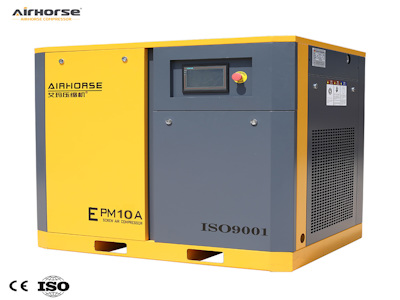
В современной промышленности сжатый воздух играет ключевую роль в различных процессах, от пневматических инструментов до систем автоматизации. Однако, неочищенный сжатый воздух может содержать загрязнения, такие как масло, вода, пыль и микрочастицы, которые способны нанести серьезный ущерб оборудованию и конечной продукции. Возникает важный вопрос: как выбрать эффективный фильтр для сжатого воздуха, чтобы обеспечить надежную и экономичную работу? В этой статье мы подробно разберем все аспекты выбора, начиная с основ и заканчивая практическими рекомендациями.
Что такое сжатый воздух и почему он нуждается в фильтрации?
Сжатый воздух — это воздух, сжатый под высоким давлением с помощью компрессора. Он широко используется в промышленности благодаря своей универсальности и безопасности. Но при сжатии воздуха в него могут попадать загрязнения из окружающей среды или самого компрессора. Например, в воздухе всегда присутствуют влага, пыль и микроорганизмы. Кроме того, в масляных компрессорах частицы масла могут смешиваться с воздухом. Если не удалить эти загрязнения, они могут привести к коррозии оборудования, снижению эффективности процессов и даже к браку продукции. Поэтому фильтрация сжатого воздуха не просто желательна, а необходима для поддержания качества и долговечности систем.
Какие типы фильтров для сжатого воздуха существуют?
На рынке представлено множество типов фильтров, каждый из которых предназначен для удаления specific contaminants. Основные категории включают:
- Коалесцентные фильтры: Эти фильтры эффективно удаляют масло и воду из сжатого воздуха путем coalescence, где мелкие капли объединяются в larger ones для easy removal. Они идеальны для applications, где чистота воздуха критически важна, таких как пищевая промышленность или фармацевтика.
- Адсорбционные фильтры: Используют адсорбенты, такие как активированный уголь, для удаления паров масла, запахов и других газообразных contaminants. Они часто применяются в combination с другими фильтрами для достижения высокой степени очистки.
- Механические фильтры: Предназначены для удаления твердых частиц, таких как пыль и ржавчина, с помощью сеток или porous materials. Они являются first line of defense в системе фильтрации.
- Комбинированные фильтры: Сочетают несколько технологий для comprehensive очистки, удаляя multiple types of contaminants одновременно. Они могут быть более дорогими, но offering superior performance.
Выбор типа фильтра зависит от specific requirements вашего application. Например, если в вашей системе predominately масляные contaminants, коалесцентный фильтр будет оптимальным выбором. Но как определить, какой именно тип вам нужен? Это leads us к next question.
Как оценить качество сжатого воздуха и определить необходимый уровень фильтрации?
Перед выбором фильтра важно провести анализ качества сжатого воздуха. Это можно сделать с помощью специализированного оборудования, такого как анализаторы содержания масла, влажности и частиц. Стандарты, такие как ISO 8573-1, определяют классы чистоты воздуха based on концентрации contaminants. Например, Class 0 represents the highest purity, while Class 6允许 more contaminants. Оценив current state вашего воздуха, вы сможете определить, какой уровень фильтрации required. For instance, если analysis shows high oil content, вам понадобится фильтр с high oil removal efficiency. Additionally, consider the flow rate и давление в системе, так как они влияют на performance фильтра.
Какие критерии следует учитывать при выборе фильтра?
Выбор эффективного фильтра involves several key factors:
- Тип contaminant: Identify the primary contaminants in your system (e.g., oil, water, particles) to select the appropriate filter type.
- Степень очистки: Determine the required purity level based on your application. Higher purity may require more advanced filters, increasing cost.
- Расход воздуха: Ensure the filter can handle the maximum flow rate of your system without causing significant pressure drop, which could reduce efficiency.
- Давление: Check the filter's pressure rating to match your system's operating pressure.
- Срок службы и обслуживание: Consider filters with long service intervals and easy maintenance to reduce downtime and costs.
- Стоимость: Balance initial investment with long-term savings from reduced energy consumption and fewer replacements.
- Совместимость: Ensure the filter is compatible with your existing equipment and piping.
By carefully evaluating these criteria, you can narrow down your options and choose a filter that meets your needs efficiently. But how do you compare different products on the market? Let's explore that.
Как сравнивать различные фильтры на рынке?
Сравнение фильтров может быть сложным due to the variety of brands and models. Start by reviewing technical specifications, such as filtration efficiency (e.g., removal rates for oil and particles), pressure drop, and flow capacity. Look for certifications from organizations like ISO or NSF, which indicate quality and reliability. Additionally, read customer reviews and case studies to gauge real-world performance. Don't forget to consider the manufacturer's reputation and warranty offered. For example, some filters may have higher upfront costs but lower operating expenses due to energy efficiency. Use a cost-benefit analysis to make an informed decision. Ultimately, the best filter is one that provides the desired cleanliness at the lowest total cost of ownership.
Каковы преимущества использования эффективных фильтров?
Инвестиции в качественные фильтры приносят numerous benefits:
- Увеличение срока службы оборудования: Чистый воздух reduces wear and tear on pneumatic tools and machinery, extending their lifespan.
- Повышение качества продукции: In industries like manufacturing or food processing, filtered air prevents contamination, ensuring consistent product quality.
- Снижение энергопотребления: Efficient filters minimize pressure drop, which can lead to energy savings in compressors.
- Сокращение затрат на обслуживание: With fewer breakdowns and less frequent filter changes, maintenance costs are reduced.
- Экологические benefits: Proper filtration reduces emissions and waste, contributing to sustainability goals.
These advantages highlight why choosing the right filter is not just a technical decision, but a strategic one for overall operational efficiency.
Какие common mistakes следует избегать при выборе фильтра?
Многие companies совершают ошибки, которые могут привести к неэффективной фильтрации. Например:
- Недооценка уровня загрязнения: Assuming the air is cleaner than it is can result in under-specification of filters.
- Игнорирование pressure drop: High pressure drop can increase energy costs; always check this parameter.
- Выбор based solely on price: Cheap filters may have poor efficiency and require frequent replacement, costing more in the long run.
- Пренебрежение maintenance Even the best filter needs regular inspection and replacement to perform optimally.
Avoid these pitfalls by conducting thorough research and consulting with experts if needed.
Как интегрировать фильтр в существующую систему?
После выбора фильтра, важно правильно его установить. Убедитесь, что фильтр размещен в appropriate location in the air line, typically after the compressor and before critical equipment. Follow manufacturer's instructions for installation to prevent leaks or damage. Consider using additional components like drains for moisture removal or pressure regulators to optimize performance. Regular monitoring with gauges or sensors can help track filter condition and schedule maintenance proactively. Integration should be seamless to avoid disruptions in operations.
Каковы будущие тенденции в фильтрации сжатого воздуха?
Технологии фильтрации continuously evolve. Trends include the development of smart filters with IoT sensors for real-time monitoring, which can alert users to maintenance needs. There is also a growing focus on energy-efficient designs and eco-friendly materials to reduce environmental impact. Additionally, advancements in nanotechnology may lead to filters with higher efficiency and smaller footprints. Staying informed about these trends can help you make future-proof choices for your systems.
Заключение: Как сделать окончательный выбор?
Выбор эффективного фильтра для сжатого воздуха требует careful consideration of your specific needs, thorough evaluation of options, and attention to details like maintenance and cost. Start by assessing your air quality, then select a filter type that matches your contaminants and desired purity level. Compare products based on technical specs and reviews, and avoid common mistakes. Remember, investing in a high-quality filter can save money and improve reliability in the long term. If in doubt, consult with a professional to ensure you make the best decision for your application. With the right approach, you can achieve optimal performance and efficiency in your compressed air system.
Надеемся, эта статья ответила на ваши вопросы и provided valuable insights. Если у вас есть дополнительные inquiries, не стесняйтесь обращаться к experts в области фильтрации воздуха.