

- Мобильные телефоны:
- 1388xx888xx
- Телефон:
- 1388xx888xx
- Почтовый ящик:
- 1388xx888xx@gmail.com
- Адрес:
- No. 8, Jingbei Road, Zhongxin Town, Guangzhou, Guangdong, China
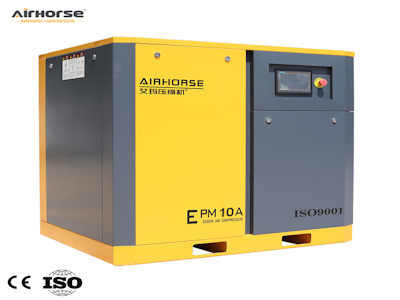
В современной промышленности пневматические системы играют ключевую роль в автоматизации процессов, обеспечивая надежность, скорость и экономичность. Однако многие предприятия сталкиваются с проблемами низкой эффективности из-за неправильного выбора компонентов, особенно пневматических соединений. Эти, казалось бы, мелкие детали могут стать источником утечек, поломок и простоев, что напрямую сказывается на производительности и затратах. В этой статье мы глубоко погрузимся в тему выбора пневматических соединений, раскроем стратегии для максимизации эффективности производства, и предоставим практические советы, основанные на реальном опыте. Мы охватим все: от основ пневматики до передовых технологий, чтобы помочь вам сделать осознанный выбор и трансформировать ваше производство.
Основы пневматических систем и роль соединений
Пневматические системы используют сжатый воздух для передачи энергии и управления механизмами. Они широко применяются в различных отраслях, таких как автомобилестроение, пищевая промышленность, упаковка и робототехника, благодаря своей простоте, безопасности и способности работать в агрессивных средах. Основными компонентами пневматической системы являются компрессор, ресивер, фильтры, регуляторы, смазочные устройства, пневмоцилиндры, клапаны и, конечно, соединения.
Соединения — это элементы, которые связывают различные части системы, такие как трубки, шланги и компоненты. Они обеспечивают герметичность и надежность соединения, предотвращая утечки воздуха, которые могут привести к потере давления, снижению эффективности и увеличению энергопотребления. Неправильный выбор соединений может вызвать частые поломки, необходимость в обслуживании и простои оборудования, что в конечном итоге снижает общую производительность завода.
Эффективность производства напрямую зависит от надежности пневматической системы. Исследования показывают, что утечки воздуха в промышленных системах могут составлять до 30% от общего потребления сжатого воздуха, что приводит к значительным финансовым потерям. Например, на среднем предприятии утечка диаметром 1 мм может стоить сотни долларов в год в виде излишней энергии. Правильный выбор соединений помогает минимизировать эти потери, обеспечивая стабильную работу системы и сокращая затраты на энергию и обслуживание.
Кроме того, современные производственные тенденции, такие как Индустрия 4.0 и IoT (Интернет вещей), требуют интеллектуальных и надежных компонентов. Пневматические соединения должны не только обеспечивать физическую связь, но и поддерживать мониторинг и диагностику в реальном времени. Это позволяет предсказывать failures и оптимизировать процессы, further повышая efficiency. В следующих разделах мы подробно рассмотрим типы соединений, факторы выбора и best practices для integration.
Типы пневматических соединений: от традиционных к инновационным
Пневматические соединения можно классифицировать по различным критериям, таким как конструкция, материал, размер и применение. Понимание этих типов необходимо для making informed decisions. Основные категории включают резьбовые соединения, быстроразъемные соединения (БРС), фланцевые соединения и специализированные варианты для specific условий.
Резьбовые соединения являются одним из самых распространенных типов. Они используют резьбу для создания герметичного соединения между компонентами. Примеры включают метрическую резьбу (например, M5, M10) и дюймовую резьбу (например, NPT, BSP). Преимущества резьбовых соединений включают высокую надежность и способность выдерживать высокие давления, но они требуют careful монтажа и могут быть подвержены износу при частом disassembly. Для повышения эффективности рекомендуется использовать уплотнительные материалы, такие как тефлоновая лента или анаэробные герметики, чтобы предотвратить утечки.
Быстроразъемные соединения (БРС) designed для easy и быстрого подключения и отключения without инструментов. Они идеальны для applications, где frequently меняются компоненты или требуется обслуживание. БРС typically состоят из двух parts: штуцера и гнезда, которые фиксируются click-механизмом. Эти соединения популярны в mobile equipment и automated lines, но могут иметь limitations по pressure и temperature. Выбор БРС should учитывать compatibility с tubing материалом и environmental conditions, such as наличие вибраций или коррозионных сред.
Фланцевые соединения используются для larger diameters и high-pressure applications. Они involve фланцы, bolted together с прокладками для seal. Хотя они менее common в standard пневматике, они critical в heavy industry, such как energy или chemical processing. Фланцы offer excellent sealing но require more space и maintenance.
Innovative типы включают push-in fittings, которые allow tubing to be inserted directly без tools, и hybrid соединения с integrated sensors для monitoring flow и pressure. These advancements enable real-time data collection и predictive maintenance, aligning with smart manufacturing trends. For instance, IoT-enabled соединения can alert operators о potential leaks или wear, reducing downtime и improving overall efficiency.
Material selection is crucial для durability и performance. Common материалы include латунь, нержавеющая сталь, plastic (such как полиамид), и specialty alloys. Латунь popular для general use due к its corrosion resistance и machinability, но may not suit high-temperature или aggressive chemical environments. Нержавеющая сталь ideal для harsh conditions, но более expensive. Plastic fittings lightweight и cost-effective, но limited по pressure capacity. Выбор материала should based на operating conditions, such как temperature range, exposure to chemicals, и mechanical stress.
Size и standardization также important. Пневматические соединения follow international standards, such как ISO 标准 (e.g., ISO 16032 для threads) или industry-specific norms. Using standardized components ensures interchangeability и reduces inventory costs. Additionally, proper sizing according to tubing diameter и flow requirements prevents pressure drops и inefficiencies. For example, undersized connections can cause turbulence и energy loss, while oversized ones may lead to leaks и increased costs.
In summary, selecting the right type of connection involves balancing factors like application, environment, cost, и future scalability. By understanding the pros and cons of each type, businesses can choose connections that enhance reliability и contribute to production efficiency. In the next section, we delve into the key criteria for selection and how to apply them in practice.
Критерии выбора пневматических соединений: практическое руководство
Выбор пневматических соединений — это не просто техническое решение, а стратегический шаг, влияющий на всю производственную цепочку. Чтобы обеспечить максимальную эффективность, необходимо учитывать multiple критериев, включая рабочие параметры, environmental условия, cost considerations, и compatibility с existing systems. Here, we provide a comprehensive guide to these criteria, supported by examples и best practices.
First и foremost, рабочие параметры such как pressure, temperature, и flow rate are fundamental. Соединения must be rated for the maximum pressure в system to prevent failures. For instance, standard пневматические системы typically operate at pressures up to 10 bar, но some applications, like high-pressure testing, may require ratings up to 30 bar или higher. Temperature ratings should match the operational range; большинство соединений work between -20°C и 80°C, но specialized versions can handle extremes. Flow rate affects the size of connections; using Computational Fluid Dynamics (CFD) simulations can help optimize sizing to minimize pressure drops и energy consumption.
Environmental conditions play a critical role в longevity и performance. Если система exposed to corrosive substances, such as in chemical или food industries, materials like нержавеющая сталь или plastic with chemical resistance are essential. Outdoor applications may require UV-resistant или weatherproof designs. Вибрации и mechanical shocks common в mobile machinery necessitate connections with secure locking mechanisms, such as those with collet clips или double-seal designs, to prevent loosening и leaks. Additionally, cleanliness requirements, such as in pharmaceutical или semiconductor manufacturing, may demand connections with smooth surfaces и minimal dead volume to avoid contamination.
Cost considerations extend beyond the initial purchase price. Total Cost of Ownership (TCO) includes factors like installation time, maintenance costs, energy losses due to leaks, и potential downtime. For example, investing in high-quality, leak-proof connections may have a higher upfront cost but can save significant money in the long run by reducing energy bills и repair frequency. Lifecycle analysis tools can help evaluate TCO и make economical choices. Bulk purchasing или standardization across the facility can also reduce costs by simplifying inventory и training.
Compatibility с existing systems is vital для seamless integration. Это включает matching thread types, tubing sizes, и mounting options. Using incompatible components can lead to adaptation issues, leaks, или even system failures. It's advisable to audit the current system и document all specifications before selecting new connections. Moreover, future-proofing should be considered; choosing modular или scalable connections allows for easy upgrades как technology evolves, such as integrating smart sensors для IoT applications.
Ease of installation и maintenance is another key criterion. Connections that require special tools или extensive training can increase labor costs и introduce human error. Quick-connect types like push-in fittings are popular for their simplicity, but they must be selected based on the skill level of the workforce. Regular maintenance schedules should include inspections for wear, corrosion, или leaks, and connections should be designed for easy access и replacement. Training programs для maintenance staff can enhance efficiency и prevent issues.
Real-world examples illustrate the importance of these criteria. Take a case from the automotive industry: a assembly line experienced frequent downtime due to air leaks in traditional threaded connections. By switching to standardized quick-disconnect fittings with integrated seals, they reduced installation time by 40% and cut energy costs by 15% within a year. Similarly, in the food processing sector, using stainless steel connections resistant to washdown chemicals eliminated corrosion-related failures, improving Overall Equipment Effectiveness (OEE).
To apply these criteria, start by conducting a thorough assessment of your production environment. Engage with suppliers для technical support и product demonstrations. Utilize selection software или catalogs that filter products based on your parameters. Remember, the goal is not just to choose a connection, but to optimize the entire pneumatic system for reliability, efficiency, и sustainability. In the following sections, we explore advanced strategies и technologies that can further enhance production efficiency through intelligent connection choices.
Передовые технологии и тенденции в пневматических соединениях
С развитием Industrie 4.0 и цифровизации, пневматические соединения эволюционируют от passive components к intelligent, connected devices. Эти инновации открывают новые возможности для повышения эффективности производства through real-time monitoring, predictive maintenance, и enhanced automation. В этом разделе мы обсуждаем cutting-edge технологии, такие как IoT-integrated соединения, additive manufacturing, и eco-friendly designs, и как они могут быть leveraged для transformational benefits.
IoT-integrated пневматические соединения оснащены sensors для измерения parameters like pressure, temperature, flow rate, и vibration. These data transmitted wirelessly к central systems для analysis, enabling proactive maintenance. Например, если sensor detects a drop in pressure, it can trigger an alert о potential leak, allowing repairs before failure occurs. This reduces unplanned downtime и extends equipment life. Companies like Festo и SMC offer smart connections with cloud connectivity, integrating with Manufacturing Execution Systems (MES) для end-to-end visibility. Implementation requires investment в infrastructure, но ROI can be significant through saved energy и increased uptime.
Additive manufacturing, или 3D printing, revolutionizes the production of custom connections. Traditionally, connections were mass-produced with limited customization, but 3D printing allows for on-demand fabrication of complex geometries tailored to specific applications. This reduces lead times, inventory costs, и enables optimization for weight reduction или improved flow dynamics. For instance, in aerospace, lightweight 3D-printed connections can enhance fuel efficiency. However, material properties и certification standards must be carefully considered to ensure reliability.
Eco-friendly designs focus on sustainability, reducing environmental impact through material choices и energy efficiency. Biodegradable plastics или recyclable metals are gaining traction, aligned with corporate sustainability goals. Additionally, connections designed for minimal air consumption contribute to lower carbon footprints. Energy-efficient certifications, such as ISO 50001, can guide selections that support green manufacturing initiatives.
Another trend is the integration with robotics и collaborative automation. Modern production lines often involve robots that require precise и reliable pneumatic connections for end-effectors или grippers. Innovations like self-sealing connections prevent leaks during tool changes, enhancing flexibility в agile manufacturing. Moreover, standardized interfaces enable quick reconfiguration of production cells, supporting mass customization.
Case studies highlight the impact of these technologies. A European manufacturer implemented IoT-enabled connections across their plant, resulting in a 20% reduction in energy usage и a 30% decrease in maintenance costs through predictive alerts. In another example, a company used 3D-printed custom fittings to solve space constraints in a compact assembly line, improving workflow efficiency.
To adopt these advanced technologies, start with a pilot project в critical areas of production. Collaborate with technology providers для training и support. Evaluate the scalability и compatibility with existing systems. While upfront costs may be higher, the long-term gains in efficiency, sustainability, и competitiveness make it a worthwhile investment. As we move forward, embracing these innovations will be key to staying ahead in the global market.
Практические шаги для внедрения и оптимизации
Выбор правильных пневматических соединений — это только первый шаг; успешное внедрение и ongoing optimization are crucial для achieving sustained efficiency gains. В этом разделе мы outline practical steps для implementation, including system audit, selection process, installation best practices, maintenance protocols, и continuous improvement strategies. We also provide tips для overcoming common challenges и measuring success.
Start with a comprehensive audit of your current pneumatic system. Document all components, including connection types, sizes, materials, и locations. Identify areas with frequent leaks, high energy consumption, или downtime. Use tools like ultrasonic leak detectors для pinpointing issues. This baseline assessment helps prioritize actions и set measurable goals, such as reducing leak rates by a certain percentage.
Next, develop a selection process based on the criteria discussed earlier. Engage cross-functional teams, including maintenance, engineering, и procurement, to ensure buy-in и holistic decision-making. Create a specification sheet that outlines requirements, and solicit quotes from multiple suppliers. Consider conducting trials или tests with sample connections в real-world conditions to validate performance before full-scale deployment.
During installation, follow best practices чтобы ensure reliability. Use proper tools и techniques для mounting, such as applying correct torque на threaded connections или ensuring clean cuts на tubing для push-in fittings. Train installers на correct procedures to avoid common mistakes like over-tightening или misalignment. Implement a quality control process, including pressure tests после installation to verify integrity.
Establish a maintenance protocol для ongoing monitoring и upkeep. Schedule regular inspections, perhaps quarterly, using checklists that include visual checks for damage, leak tests, и performance reviews. Utilize predictive maintenance technologies, such as IoT sensors, to move from reactive to proactive approaches. Keep spare parts inventory optimized to minimize downtime during repairs.
For optimization, adopt a continuous improvement mindset. Monitor key performance indicators (KPIs) такие как Overall Equipment Effectiveness (OEE), energy consumption, и mean time between failures (MTBF). Analyze data из maintenance records и sensor outputs to identify trends и areas for improvement. Encourage feedback от operators, who often have insights into practical issues.
Common challenges include resistance to change из-за привычек или budget constraints. Address this by demonstrating ROI through pilot projects и case studies. Provide training и support to build confidence в new technologies. Additionally, ensure compatibility с existing systems чтобы avoid disruptions.
Measuring success involves tracking metrics over time. For example, after implementing high-efficiency connections, a company might see a reduction in compressed air usage by 10-20%, leading to lower energy bills. Share successes with the team to maintain momentum и foster a culture of efficiency.
In conclusion, by following these steps, businesses can not only choose the right connections but also integrate them effectively into their operations, driving long-term efficiency и productivity. The journey to optimized production is ongoing, but with the right strategies, it becomes a powerful competitive advantage.
Заключение: трансформация производства через умный выбор
В этой статье мы explored multifaceted approach к выбору пневматических соединений для повышения эффективности производства. From understanding basics и types to leveraging advanced technologies и practical implementation, the key takeaway is that these components are not mere accessories but critical enablers of operational excellence. By making informed choices, businesses can reduce costs, enhance reliability, и support sustainable growth.
Мы highlighted that efficiency gains come from minimizing leaks, optimizing energy use, и enabling smart maintenance. Real-world examples show tangible benefits, such as reduced downtime и improved OEE. As industry evolves, embracing innovations like IoT и additive manufacturing will be essential для staying competitive.
Ultimately, the choice of pneumatic connections should align with broader production goals. Invest in quality, standardize where possible, и continuously seek improvements. By doing so, you can transform your production processes, achieve higher efficiency, и build a resilient manufacturing environment for the future.