

- Мобильные телефоны:
- 1388xx888xx
- Телефон:
- 1388xx888xx
- Почтовый ящик:
- 1388xx888xx@gmail.com
- Адрес:
- No. 8, Jingbei Road, Zhongxin Town, Guangzhou, Guangdong, China
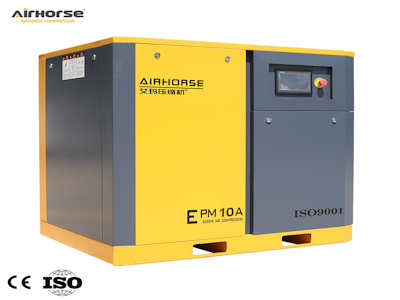
В мире промышленного оборудования поршневые компрессоры занимают особое место благодаря своей надежности, эффективности и способности выдерживать экстремальные условия. Их мощность и долговечность делают их незаменимыми в различных отраслях, от производства и строительства до энергетики и транспорта. В этой статье мы глубоко погрузимся в мир поршневых компрессоров, исследуя, как их конструкция, материалы и инновации обеспечивают невероятную производительность и длительный срок службы. Мы рассмотрим ключевые аспекты, такие как принципы работы, технологические достижения, сравнительный анализ с другими типами компрессоров, практические применения, и дадим советы по обслуживанию для максимизации их потенциала. Приготовьтесь узнать, почему поршневые компрессоры остаются лидерами в своей категории и как они могут преобразить ваши промышленные процессы.
Введение в поршневые компрессоры: Основы и важность
Поршневые компрессоры, также известные как поршневые воздушные компрессоры, являются одним из старейших и наиболее распространенных типов компрессоров, используемых для сжатия воздуха или других газов. Их принцип работы основан на возвратно-поступательном движении поршня внутри цилиндра, который всасывает газ, сжимает его и затем выталкивает под высоким давлением. Эта простая, но эффективная механика позволяет достигать высоких уровней давления, часто превышающих 1000 psi (фунтов на квадратный дюйм), что делает их идеальными для задач, требующих значительной мощности.
Исторически, поршневые компрессоры появились в XIX веке и быстро стали основой промышленной революции, питая пневматические инструменты, системы вентиляции и многое другое. Сегодня, несмотря на появление более современных технологий, таких как винтовые или центробежные компрессоры, поршневые модели сохраняют свою актуальность благодаря своей долговечности, ремонтопригодности и способности работать в широком диапазоне условий. Их важность невозможно переоценить: они используются в автомобильной промышленности для покраски и сборки, в строительстве для питания отбойных молотков и дрелей, в медицине для систем жизнеобеспечения, и даже в бытовых applications, таких как накачка шин или работа пневмоинструментов.
Что делает поршневые компрессоры особенно мощными и долговечными? Ответ кроется в их конструкции. Ключевые компоненты, такие как поршень, цилиндр, клапаны и кривошипно-шатунный механизм, разработаны для минимизации износа и максимизации эффективности. Например, поршни часто изготавливаются из высокопрочных материалов, таких как чугун или алюминиевые сплавы, которые устойчивы к термическим и механическим нагрузкам. Добавьте к этому advancements в смазочных системах и охлаждении, и вы получите машину, способную работать десятилетиями при правильном обслуживании.
В следующих разделах мы подробно разберем каждый аспект, начиная с того, как работает поршневой компрессор, какие инновации повышают его мощность, и как обеспечить его долговечность через регулярное обслуживание. Мы также сравним поршневые компрессоры с альтернативами, чтобы помочь вам сделать informed decision для ваших нужд. Независимо от того, являетесь ли вы инженером, менеджером по закупкам или просто энтузиастом техники, эта статья предоставит ценную информацию для понимания и использования этих удивительных машин.
Принцип работы поршневого компрессора: Как достигается мощность
Чтобы понять невероятную мощность поршневых компрессоров, необходимо сначала разобраться в их базовом принципе работы. Процесс сжатия происходит в несколько этапов, каждый из которых оптимизирован для максимальной эффективности. Вот упрощенное объяснение:
- Впускной такт: Поршень движется вниз внутри цилиндра, создавая разрежение, которое открывает впускной клапан и позволяет воздуху (или газу) поступать в цилиндр.
- Сжатие: Поршень движется вверх, закрывая впускной клапан и сжимая воздух в уменьшающемся объеме. Это повышает давление и температуру воздуха.
- Выпускной такт: Когда давление достигает заданного уровня, выпускной клапан открывается, и сжатый воздух выталкивается в накопительный бак или непосредственно в систему.
- Возврат: Поршень снова движется вниз, готовясь к следующему циклу, и процесс повторяется.
Эта цикличность позволяет поршневому компрессору генерировать высокое давление, часто в диапазоне от 100 до 200 psi для стандартных моделей, но некоторые промышленные версии могут достигать 500 psi и более. Мощность компрессора измеряется в кубических футах в минуту (CFM) или литрах в минуту (L/min), что указывает на объем воздуха, который он может deliver при определенном давлении. Например, компрессор с высокой мощностью 20 CFM при 100 psi идеален для питания multiple пневматических инструментов одновременно.
Ключевые факторы, влияющие на мощность, включают размер цилиндра, скорость вращения двигателя, и эффективность клапанов. Большие цилиндры позволяют compress больше воздуха за цикл, в то время как высокоскоростные двигатели увеличивают частоту циклов. Однако, мощность не приходит без challenges: сжатие generates heat, которое может lead к перегреву и снижению efficiency. Поэтому современные поршневые компрессоры оснащаются системами охлаждения, такими как воздушное или водяное охлаждение, чтобы поддерживать оптимальную температуру и предотвращать damage компонентов.
Инновации в materials science также играют crucial role. Например, использование керамических или композитных покрытий на поршнях reduces friction and wear, allowing for higher speeds and longer life. Additionally, electronic controls and variable speed drives can optimize power output based on demand, reducing energy consumption and enhancing overall performance.
In summary, the power of piston compressors stems from their simple yet robust design, combined with continuous improvements in engineering. Whether for light-duty applications or heavy-industrial use, these machines deliver reliable and impressive compression capabilities that form the backbone of many operations.
Долговечность поршневых компрессоров: Секреты длительного срока службы
Долговечность поршневых компрессоров is not just a matter of chance; it's the result of careful design, quality materials, and proper maintenance. These machines are built to last, often operating for 20-30 years or more with minimal downtime. Let's explore the factors that contribute to their exceptional longevity.
First and foremost, the materials used in construction are critical. Pistons are typically made from durable metals like cast iron, steel, or aluminum alloys, which offer high strength and resistance to wear. Cylinders may be lined with hardened materials or coatings to reduce friction and prevent scoring. Valves, which are subject to frequent opening and closing, are often made from stainless steel or other corrosion-resistant alloys to ensure they remain functional over time.
Another key aspect is lubrication. Proper lubrication reduces friction between moving parts, minimizes heat generation, and prevents premature wear. Many piston compressors use oil-lubricated systems, where oil is circulated to critical areas like the piston rings and bearings. However, oil-free models are also available for applications requiring clean air, such as in food processing or pharmaceuticals. These use advanced materials like PTFE (Teflon) coatings to achieve lubrication without oil, though they may have a slightly shorter lifespan due to higher wear rates.
Cooling systems also play a vital role in durability. Overheating can cause thermal expansion, leading to misalignment and failure. Air-cooled compressors use fins and fans to dissipate heat, while water-cooled models circulate water through jackets around the cylinders. Regular maintenance of these systems, such as cleaning fins or checking water quality, is essential to prevent overheating and extend life.
Design innovations, such as multi-stage compression, can enhance durability by distributing the load across multiple cylinders. In a two-stage compressor, for example, air is compressed in a low-pressure cylinder first, then further compressed in a high-pressure cylinder. This reduces the stress on each component and allows for higher overall pressures with less wear.
Lastly, proper installation and operation are crucial. Compressors should be placed in well-ventilated areas to avoid overheating, and operated within their specified pressure and flow limits. Regular inspections, including checking for leaks, monitoring oil levels, and replacing wear parts like piston rings or valves, can prevent minor issues from becoming major failures.
By combining robust materials, effective lubrication, efficient cooling, and diligent maintenance, piston compressors achieve a level of durability that makes them a cost-effective choice for long-term use. In the next section, we'll compare them to other compressor types to highlight their advantages.
Сравнение с другими типами компрессоров: Почему поршневые компрессоры выделяются
When choosing a compressor, it's important to consider alternatives such as rotary screw compressors, centrifugal compressors, and scroll compressors. Each type has its pros and cons, but piston compressors often shine in terms of power, durability, and versatility. Here's a comparative analysis.
Rotary Screw Compressors: These use two intermeshing screws to compress air and are known for their continuous operation and quiet performance. They are generally more efficient at high flow rates (e.g., above 100 CFM) and require less maintenance than piston compressors. However, they are typically more expensive upfront and may not handle peak demands as well due to their fixed speed design. Piston compressors, on the other hand, excel in applications with fluctuating demands because they can deliver high pressure instantly and are easier to repair on-site.
Centrifugal Compressors: These use a rotating impeller to accelerate air and are ideal for very high flow rates (e.g., thousands of CFM) in large industrial settings. They are highly efficient but complex and costly to maintain. Piston compressors are better suited for smaller to medium-scale applications where simplicity and robustness are prioritized.
Scroll Compressors: Common in refrigeration and HVAC, scroll compressors are compact and quiet but limited to lower pressures and flows. Piston compressors offer higher pressure capabilities and are more adaptable to various gases and conditions.
In terms of durability, piston compressors often outlast others due to their straightforward design and ease of repair. While rotary screw compressors might have longer intervals between maintenance, a failed screw element can be costly to replace, whereas piston components are generally cheaper and more accessible.
For power, piston compressors provide high pressure ratios, making them unbeatable for tasks like pneumatic testing or powering heavy tools. Their ability to operate in harsh environments, thanks to rugged construction, further solidifies their position as a top choice.
In summary, while other compressors have their niches, piston compressors remain the go-to for reliability, high pressure, and long-term value, especially in industries where downtime is not an option.
Практические применения и примеры из промышленности
Piston compressors find use in a wide array of industries due to their versatility and power. Here are some real-world examples:
- Manufacturing: Used for operating pneumatic machines, assembly lines, and spray painting. Their ability to deliver consistent pressure ensures quality control.
- Construction: Powers tools like jackhammers, nail guns, and sandblasters. Portable piston compressors are common on job sites for their mobility and robustness.
- Energy Sector: Compresses gases for storage or transmission, such as in natural gas processing. High-pressure models are essential here.
- Transportation: In automotive repair shops for inflating tires, testing systems, and running lifts. Their durability handles frequent use.
- Medical Field: Oil-free piston compressors provide clean air for ventilators and dental equipment, where purity is critical.
Case studies show that companies using piston compressors often report lower lifecycle costs and higher uptime compared to alternatives. For instance, a manufacturing plant might use a multi-stage piston compressor for decades with only periodic part replacements.
Советы по обслуживанию для максимизации срока службы
To ensure your piston compressor reaches its full potential in terms of power and durability, follow these maintenance tips:
- Regular Oil Changes: For oil-lubricated models, change oil every 500-1000 hours of operation to prevent sludge buildup and wear.
- Check and Clean Air Filters: Dirty filters reduce efficiency and can lead to overheating. Inspect monthly and replace as needed.
- Monitor Belts and Pulleys: Ensure they are tight and aligned to avoid slippage and unnecessary strain on the motor.
- Inspect Valves and Pistons: Look for signs of wear or damage during shutdowns. Replace components like piston rings if compression drops.
- Keep it Cool: Clean cooling fins regularly and ensure adequate ventilation around the compressor.
- Use Quality Parts: When repairs are needed, opt for OEM or high-quality aftermarket parts to maintain performance.
- Train Operators: Educate users on proper operation to avoid overloads and abrupt shutdowns.
By adhering to these practices, you can extend the life of your compressor and maintain its powerful output for years to come.
Заключение: Будущее поршневых компрессоров
В заключение, поршневые компрессоры продолжают доказывать свою ценность благодаря невероятной мощности и долговечности. С развитием технологий, таких как умное управление и улучшенные материалы, они становятся еще более эффективными и надежными. Независимо от вашей отрасли, инвестиция в качественный поршневой компрессор может обеспечить длительную и продуктивную работу. Следуйте рекомендациям по обслуживанию, и вы сможете наслаждаться преимуществами этой проверенной временем технологии долгие годы.