

- Мобильные телефоны:
- 1388xx888xx
- Телефон:
- 1388xx888xx
- Почтовый ящик:
- 1388xx888xx@gmail.com
- Адрес:
- No. 8, Jingbei Road, Zhongxin Town, Guangzhou, Guangdong, China
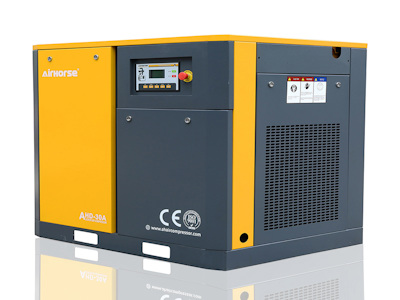
В современном мире промышленности и строительства компрессоры играют незаменимую роль, обеспечивая сжатый воздух для питания различных пневматических инструментов, таких как дрели, гайковерты, краскораспылители и многое другое. Однако, без надлежащей мобильности, даже самый мощный компрессор может оказаться бесполезным на стройплощадке или в производственном цеху. Именно здесь колеса для компрессоров вступают в игру как ключевой компонент, превращая стационарное оборудование в гибкое и легко перемещаемое решение. В этой статье мы подробно рассмотрим, почему колеса так важны для мобильности компрессоров, охватывая аспекты эффективности, безопасности, экономии времени и адаптации к различным условиям работы.
1. Введение в роль компрессоров и необходимость мобильности
Компрессоры – это устройства, которые сжимают воздух или другие газы, создавая давление, необходимое для работы пневматических инструментов. Они широко используются в таких отраслях, как строительство, автомобилестроение, металлообработка, и даже в бытовых условиях для задач вроде подкачки шин или очистки поверхностей. Исторически компрессоры были громоздкими и тяжелыми, часто устанавливались стационарно, что ограничивало их применение только фиксированными локациями. Однако с развитием технологий и увеличением спроса на мобильные решения, производители начали интегрировать колеса в конструкцию компрессоров, что революционизировало их использование.
Мобильность компрессоров стала не просто удобством, а необходимостью. Представьте себе строительную площадку, где работы ведутся на разных уровнях или в отдаленных углах. Без колес перенос компрессора требовал бы дополнительной рабочей силы, специального оборудования или даже кранов, что увеличивало бы затраты времени и ресурсов. Колеса позволяют одному человеку легко перемещать компрессор, обеспечивая непрерывность работ и снижая простой. Это особенно важно в динамичных средах, где оборудование должно быстро адаптироваться к меняющимся задачам.
Кроме того, мобильность через колеса способствует лучшей организации рабочего пространства. Вместо того чтобы проектировать фиксированные точки для компрессоров, компании могут оптимизировать layout, перемещая оборудование по мере необходимости. Это не только улучшает ergonomics, но и снижает риски, связанные с протяжкой длинных воздушных шлангов, которые могут запутаться, повредиться или создать опасность споткнуться.
В целом, колеса для компрессоров – это не аксессуар, а фундаментальный элемент, который enhances practicality and operational efficiency. В следующих разделах мы углубимся в детали, объясняя, как конкретные характеристики колес влияют на мобильность, и почему инвестиции в качественные колеса окупаются многократно.
2. Ключевые характеристики колес для компрессоров
Чтобы понять важность колес для мобильности, необходимо рассмотреть их ключевые характеристики, которые определяют производительность и надежность. Эти характеристики включают материал, размер, конструкцию, и совместимость с различными поверхностями.
Материал колес играет crucial role в их долговечности и способности выдерживать вес компрессора. Common materials включают резину, полиуретан, и металл. Резиновые колеса often используются для general-purpose applications, так как они обеспечивают хорошее сцепление и амортизацию, reducing vibration и шум during movement. Однако они могут изнашиваться быстрее на abrasive surfaces. Полиуретановые колеса более durable и resistant к износу, making them ideal для heavy-duty environments, таких как строительные площадки с грубым покрытием. Металлические колеса, though less common due to weight и noise, offer exceptional strength для extremely heavy compressors, но требуют дополнительных мер для защиты полов.
Размер колес directly влияет на легкость перемещения. Larger wheels легче катятся по неровным поверхностям, таким как гравий, трава, или небольшие препятствия, reducing the effort required to move the compressor. Smaller wheels may be more compact, но они могут застревать или требовать more force, особенно на soft ground. Standard sizes range from 4 to 10 inches в диаметре, с выбором в зависимости от веса компрессора и типа terrain.
Конструкция колес включает aspects like bearings, brakes, and mounting systems. High-quality bearings ensure smooth rolling и reduce friction, что prolongs the life of the wheels и makes movement effortless. Некоторые колеса оснащены тормозами, которые essential для безопасности, preventing accidental movement на slopes или когда компрессор not in use. Mounting systems должны быть robust и compatible с рамой компрессора, avoiding wobbling или detachment during transport.
Совместимость с поверхностями – another critical factor. Колеса designed for indoor use may have soft treads to protect floors, в то время как outdoor wheels feature aggressive tread patterns для better traction на mud, snow, или uneven ground. Это позволяет компрессорам быть truly mobile across diverse environments, от clean workshops до rugged construction sites.
Investing in wheels with these characteristics ensures that mobility is not compromised. For instance, a compressor with poor-quality wheels might tip over or cause injury, leading to downtime and increased costs. Therefore, selecting the right wheels is as important as choosing the compressor itself.
3. Преимущества мобильности через колеса
Мобильность, обеспечиваемая колесами, приносит numerous benefits to users, ranging from improved efficiency to enhanced safety. Let's explore these advantages in detail.
First and foremost, mobility saves time and labor. Without wheels, moving a compressor often requires multiple people or mechanical aids, which can be time-consuming and expensive. With wheels, a single operator can quickly relocate the compressor to where it's needed, minimizing interruptions in work流程. This is particularly valuable in time-sensitive projects, such as construction deadlines or emergency repairs, where every minute counts. Studies have shown that mobile equipment can increase productivity by up to 20% by reducing setup and movement times.
Secondly, mobility enhances flexibility. Compressors on wheels can be easily stored when not in use, freeing up valuable space. They can also be transported between job sites in vehicles, expanding their utility beyond a single location. This flexibility is crucial for small businesses or contractors who work on multiple projects simultaneously, as it allows them to maximize the use of their equipment without investing in multiple units.
Safety is another significant benefit. Fixed compressors might require long air hoses, which can pose tripping hazards or get damaged, leading to air leaks or accidents. Mobile compressors reduce the need for extended hoses, as they can be positioned closer to the work area. Additionally, wheels with brakes prevent unintended movement, especially on inclined surfaces, reducing the risk of the compressor rolling away and causing injury or damage.
Moreover, mobility contributes to better maintenance and longevity of the compressor. By allowing easy access for cleaning and servicing, wheels facilitate regular upkeep. For example, moving the compressor to a well-ventilated area can prevent overheating, while positioning it away from dust and debris reduces wear on internal components. This proactive approach to maintenance can extend the lifespan of the equipment and lower repair costs over time.
From an economic perspective, the initial investment in quality wheels is offset by the long-term savings. Reduced labor costs, fewer accidents, and increased equipment utilization all contribute to a higher return on investment. In fact, many companies report that mobile compressors pay for themselves within a year through improved operational efficiency.
In summary, the advantages of mobility through wheels are multifaceted, impacting not only daily operations but also overall business profitability. As industries continue to evolve towards more dynamic and efficient practices, the importance of mobile compressors cannot be overstated.
4. Применение в различных отраслях
Колеса для компрессоров find applications across a wide range of industries, each with unique requirements for mobility. Understanding these applications highlights the universal importance of this feature.
In the construction industry, mobility is paramount. Construction sites are often chaotic, with work zones shifting frequently. Compressors on wheels enable crews to move air power exactly where it's needed, whether for operating jackhammers, nail guns, or sandblasting equipment. This adaptability speeds up projects and reduces the physical strain on workers, who might otherwise have to carry heavy tools or extend hoses over long distances. For example, in high-rise building construction, mobile compressors can be easily transported via elevators or hoists to different floors, ensuring continuous air supply without delays.
In manufacturing and automotive sectors, compressors are used for tasks like painting, assembly, and maintenance. Factories often have large layouts where equipment needs to be repositioned for different production lines. Wheels allow compressors to be moved swiftly, supporting just-in-time manufacturing processes. In auto repair shops, mobile compressors are essential for services like tire inflation, engine cleaning, or operating impact wrenches, as they can be rolled directly to the vehicle being serviced, improving workflow efficiency.
The agriculture industry also benefits from mobile compressors. Farms use compressed air for tasks such as operating pneumatic tools for equipment repair, cleaning barns, or even in dairy operations for milking machines. Wheels enable compressors to traverse rough terrain like fields and barnyards, ensuring that air power is available wherever it's needed without固定 installation.
Even in residential and commercial settings, mobility is valuable. For instance, in woodworking shops or DIY projects, a compressor on wheels can be moved between workbenches or stored compactly. In event management, mobile compressors are used for inflating balloons, powering tools for setup, or providing air for cleaning, all requiring easy relocation.
Each of these applications demonstrates that wheels are not an optional extra but a critical enabler of functionality. Without mobility, compressors would be limited to specific spots, reducing their versatility and effectiveness. As industries embrace automation and flexibility, the demand for mobile solutions like wheeled compressors continues to grow.
5. Выбор и обслуживание колес
To maximize the benefits of mobility, it's essential to choose the right wheels and maintain them properly. This section provides guidance on selection criteria and maintenance tips.
When selecting wheels for a compressor, consider the compressor's weight and the typical working environment. Heavier compressors require wheels with higher load capacities, often indicated by the manufacturer. For example, a compressor weighing 100 kg might need wheels rated for at least 25 kg each (assuming four wheels). Check the wheel material: choose rubber or polyurethane for general use, and opt for reinforced designs for rough terrain. Also, ensure the wheels have sealed bearings to protect against dust and moisture, which can extend their life.
Size matters too; larger diameters (e.g., 8 inches or more) are better for outdoor use, as they roll more easily over obstacles. For indoor applications, smaller wheels with soft treads can prevent floor damage. Additionally, look for wheels with locking brakes if the compressor will be used on slopes or in areas where stability is critical.
Maintenance of wheels is straightforward but crucial. Regularly inspect them for signs of wear, such as cracks, flat spots, or loose fittings. Clean the wheels after use in dirty environments to prevent debris from damaging the bearings. Lubricate the axles periodically if recommended by the manufacturer, but avoid over-lubrication, which can attract dirt. If wheels become damaged, replace them promptly to avoid safety hazards or further damage to the compressor.
It's also wise to invest in replacement wheels from reputable brands to ensure compatibility and durability. Many compressor manufacturers offer OEM wheels designed specifically for their models, which can be a safe choice. However, aftermarket options are available and can be cost-effective if they meet the necessary specifications.
By paying attention to selection and maintenance, users can ensure that their compressors remain mobile and reliable for years to come. This proactive approach not only enhances performance but also protects the investment in the equipment.
6. Заключение: Необходимость мобильности в современном мире
В заключение, колеса для компрессоров являются vital component that transforms static equipment into dynamic tools, essential for modern industries. Their importance for mobility cannot be overstated, as they enable efficiency, safety, flexibility, and cost savings across various applications.
As technology advances, we can expect further innovations in wheel design, such as smart wheels with sensors for monitoring wear or automated braking systems. These developments will continue to enhance the mobility and functionality of compressors, making them even more indispensable.
Ultimately, whether you are a construction professional, a manufacturer, or a DIY enthusiast, investing in a compressor with quality wheels is a decision that pays dividends in improved productivity and reduced operational challenges. Embrace mobility – it's the wheel that keeps industry moving forward.
Thank you for reading this in-depth discussion on why wheels for compressors are so crucial for mobility. We hope it has provided valuable insights and practical guidance for your needs.